



Awaab’s Law – what tenants need to know
Published: 28/10/2025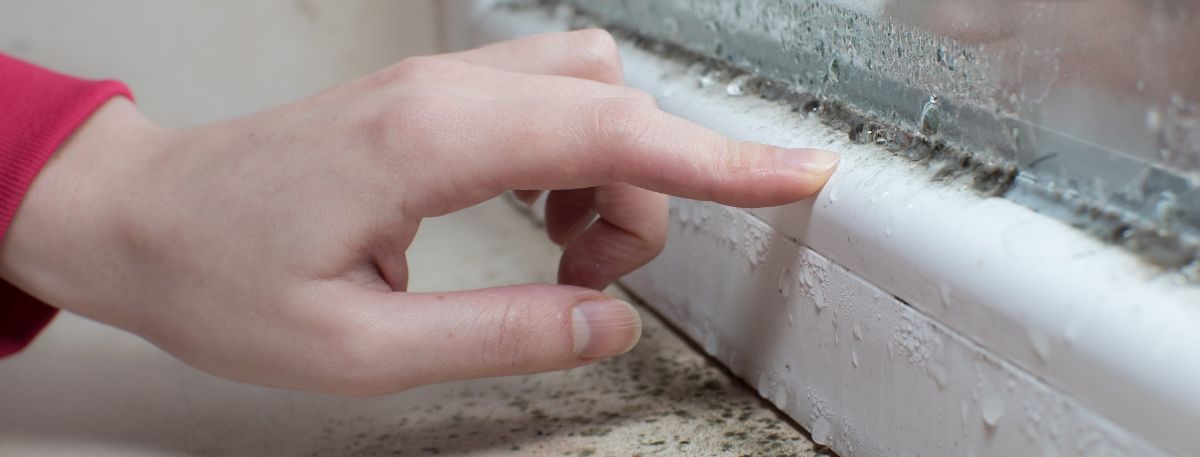
Awaab’s Law has been introduced following the tragic death of two-year-old Awaab Ishak in 2020 due to prolonged exposure to damp and mould in social housing in Rochdale.
It ensures prompt action on health and safety hazards in social homes and places new responsibilities on landlords.
Awaab’s Law is part of the Hazards in Social Housing (Prescribed Requirements) (England) Regulations 2025, which came into force on 27 October 2025.
In response, the Kent Housing Group (KHG) has organised a webinar for social housing landlords and other housing professionals on 6 November, for more information email kenthousinggroup@ashford.gov.uk.
KHG Chair Brian Horton says these are the key points that tenants need to know:
- Reporting hazards – tenants have the right to report any health hazards they encounter in their rental property, such as mould, damp, or other serious health risks.
- Social landlord’s responsibilities – landlords must investigate and fix hazards within set timeframes. If a tenant reports issues like damp or other serious health risks, the landlord must carry out an inspection within 14 days. If the issue is confirmed as a health risk, the landlord must begin repairs within seven days and complete them within 21 days where possible.
- Legal protections – Awaab’s Law provides tenants with stronger protection and the ability to hold landlords accountable if they fail to comply with the law. It also incentivises landlords to prioritise repairs and maintenance, ensuring safer and healthier living conditions.
- Emergency repairs – if a hazard poses a significant risk to health or safety, repairs must begin within seven calendar days of the investigation report. If repairs cannot be completed within the required timeframe and the hazard poses a significant risk, landlords must provide alternative accommodation for tenants.
- Keep records – tenants should keep written evidence of their reports, including dates, photos and communication, to support their complaints.
Brian Horton said: “As a result of the tragic case of Awaab, everyone involved in the rented housing sector has taken a hard look at their priorities to ensure that this can never happen again. Urgent action must be taken to make sure that safe homes are at the top of everyone’s agenda.
"In Kent and Medway, housing providers are committed to making every home safe, warm and healthy because no one should have to live in a home that damages their health.”
Dr Anjan Ghosh, Director of Public Health, Kent County Council, said: “Damp and mould pose significant risks to health if not addressed properly. The tragic death of young Awaab led to this much needed legislation that will help protect the lives of residents in Kent from a number of hazards including damp and mould.
"We will continue to work with KHG to maximise the impact of this law and other improvements across the housing sector to protect our most vulnerable residents who are always at more risk of the effects of poorly maintained homes.”
When does Awaab’s Law come into force?
It came into force on 27 October and applies to social landlords in England. In a phased approach, 2026 will include other hazards such as excess cold/heat, falls, structural collapse, fire and electrical hazards, and hygiene and food safety.
The law will be extended in 2027 to all remaining Housing Health and Safety Rating System (HHSRS) hazards, except overcrowding. The system assesses 29 housing hazards that can affect the health and safety of occupants.
How social landlords determine vulnerability
Landlords must consider whether an occupant is more likely to suffer harm from a hazard due to age (infants, young children, older adults), plus consider health conditions - including respiratory issues and weakened immune systems.
Pregnant tenants or those with newborns need to be considered, while other factors can include recent hospital discharge, history of falls, and social isolation.
Vulnerability affects how quickly a hazard must be addressed. For example, a damp and mould issue in a home with a child with asthma may be treated as an emergency. The same issue in a vacant property might be significant but not urgent.
For further information, you can visit the dedicated Government webpage on Awaab’s Law and all the guidance it has for social landlords.
Kent Housing Group
The Kent Housing Group is the collective voice of the housing sector in Kent and Medway. It has representation from all 12 Kent local authorities, Medway Council, 14 housing associations, Kent County Council and Kent Public Health.
KHG also has representation from organisations who work in partnership with social housing landlords, including the Kent Housing and Development Group, Homes England, the National Landlords Residents Association and the South East Housing and Development Group.
Our diverse membership also includes several supported housing providers, a procurement provider and a body working to increase diversity and inclusion in construction.
KHG is a member of the Housing Diversity Network and the Housing Forum. For more information, visit their website.